What is a Stepper Electric Motor and How Does it Work?
In recent years, the field of advanced manufacturing has evolved significantly. Stepper electric motors play a vital role in this development. These motors ensure precise control in applications ranging from robotics to 3D printing. According to a report by Allied Market Research, the global stepper motor market is expected to reach $5.8 billion by 2027, growing at a CAGR of 3.5%. This growth highlights the increasing demand for accurate motion control.
The advantages of stepper electric motors include high precision and reliability. They do not require feedback systems, simplifying their design and reducing costs. However, some challenges exist. The motors can lose steps when overloaded or improperly calibrated, leading to performance issues. Such shortcomings remind us of the importance of continuous improvement in technology.
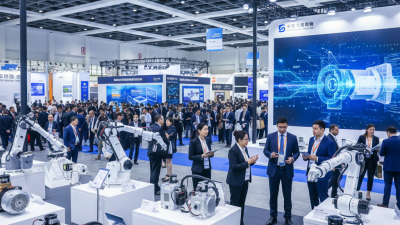
As industries prepare for events like the 139th Canton Fair, innovations such as AI-powered search and navigation systems will enhance the efficiency of sourcing suppliers. This technological advancement not only streamlines operations but also emphasizes how critical components like stepper electric motors remain at the core of these sophisticated manufacturing processes.
What is a Stepper Electric Motor?
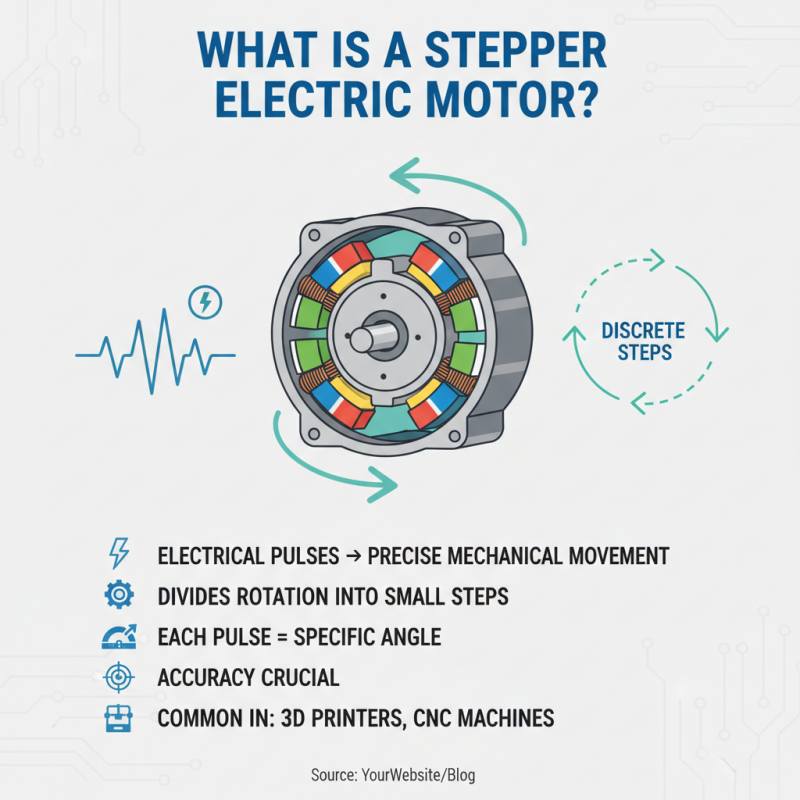
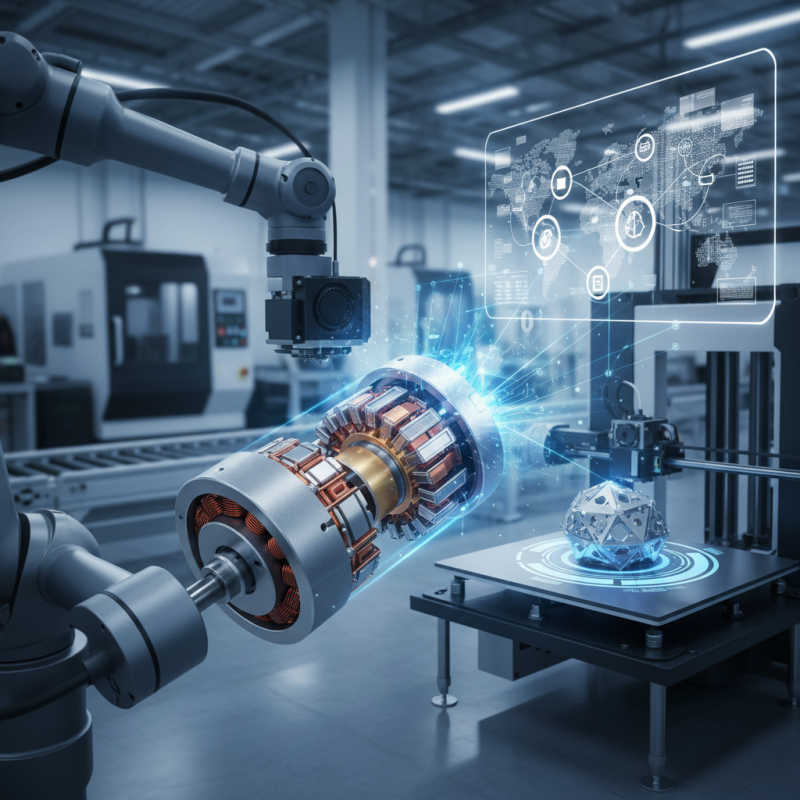
A stepper electric motor is a specialized type of motor that converts electrical pulses into precise mechanical movement. It operates by dividing a full rotation into smaller, discrete steps. Each pulse sent to the motor causes it to move by a specific angle, which can vary based on the motor's design. These motors are commonly used in applications requiring accuracy, such as 3D printers and CNC machines.
The construction of a stepper motor involves several coils arranged around a central rotor. When electrical current flows through these coils, they create magnetic fields. This magnetic force pulls the rotor to align with the field, causing it to step forward. The number of steps per revolution is a key factor influencing the motor’s resolution. However, this also means that if the motor loses steps, it can fall out of sync. This is a recurring challenge in many applications, highlighting the need for careful control and monitoring.
Stepper motors can be quite efficient in performing tasks, but they are not without limitations. They can overheat with prolonged use, affecting performance. Moreover, their torque tends to decrease at higher speeds. Users need to consider these factors carefully. Balancing the precision with speed can lead to unexpected results. This complexity makes understanding stepper motors crucial for their effective application.
Basic Components of a Stepper Electric Motor
A stepper electric motor is a unique device designed to convert electrical pulses into precise mechanical movement. Understanding its basic components is essential to grasp how it operates. The core parts include the stator, rotor, and drive circuit. The stator consists of coils that generate a magnetic field when energized. This magnetic field interacts with the rotor, which is the rotating part of the motor. The motor moves in discrete steps, allowing for accurate positioning.
The rotor is often attached to permanent magnets. These magnets draw the motor to specific locations when electrical pulses trigger the stator coils. It is important to note that the design may vary. Some stepper motors have a simple two-phase structure, while others can have more complex arrangements. This complexity can make it challenging for beginners to understand the setup fully.
The drive circuit plays a critical role in controlling the motor. It sends the appropriate electrical signals to the stator coils. However, achieving precise control can be tricky. A miscalculation in timing can lead to missed steps. This can affect the motor’s performance. Users need to calibrate their systems properly to avoid these issues. Each element of the stepper motor works together, creating a fascinating system that offers both challenges and rewards.
How Stepper Electric Motors Operate
Stepper electric motors are unique devices that convert electrical energy into precise mechanical movement. These motors use discrete steps, allowing for accurate positioning. Each step corresponds to a specific angle of rotation. This precise control makes them suitable for applications like 3D printers and CNC machines.
How do stepper electric motors operate? They rely on electromagnetic principles. Inside, there are coils that create magnetic fields. When electricity flows through these coils, they interact with magnets. This interaction moves the rotor in small, fixed increments. A controller sends signals to the coils in a specific sequence. This sequencing determines the direction and speed of the motor.
One challenge in using stepper motors is maintaining torque at higher speeds. As speed increases, torque can drop significantly. Users must balance speed and precision. Another consideration is resonance. At certain speeds, stepper motors can vibrate excessively. This can impact performance. Understanding these limitations is crucial for effective usage.
What is a Stepper Electric Motor and How Does it Work? - How Stepper Electric Motors Operate
| Feature |
Description |
Applications |
| Type |
Permanent Magnet Stepper |
3D Printers, CNC Machines |
| Control |
Open-loop control, step pulses |
Robotics, Automated Systems |
| Step Angle |
Commonly 1.8° per step |
Medical Devices, Photography |
| Torque |
High starting torque at low speeds |
Textile Machines, Conveyors |
| Advantages |
Precise position control, no feedback required |
Aerospace, Industrial Automation |
| Disadvantages |
Resonance issues, limited speed |
Limited use in high-speed applications |
Types of Stepper Motors and Their Applications
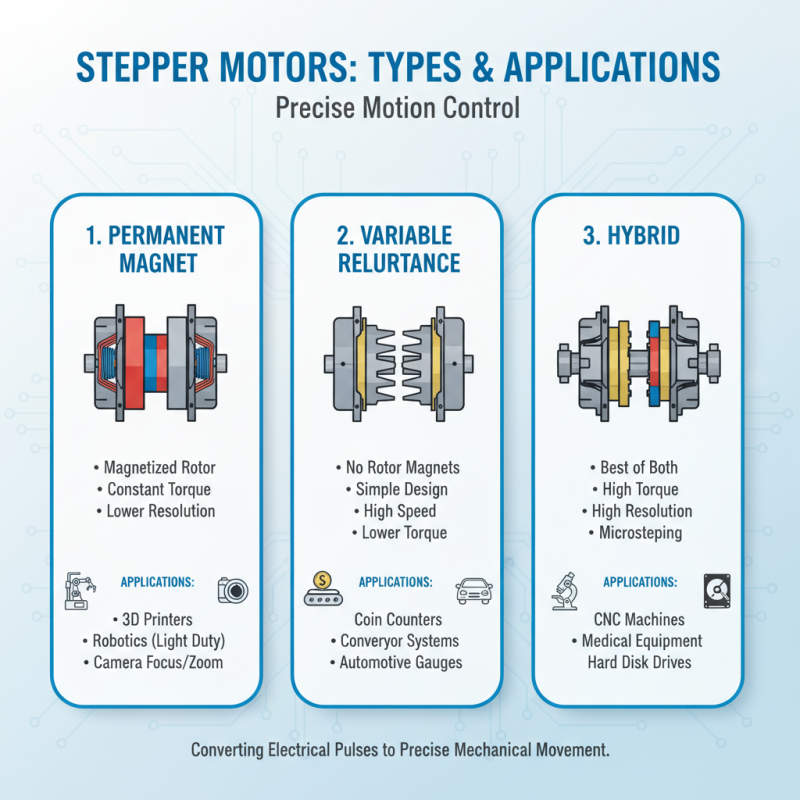
Stepper motors are unique devices that convert electrical pulses into precise mechanical movements. There are several types of stepper motors, each designed for specific applications. The three main types include permanent magnet stepper motors, variable reluctance stepper motors, and hybrid stepper motors. Each type has its characteristics and suitable use cases.
Permanent magnet stepper motors are commonly used in printers and 3D printers. They provide high torque at low speeds but can struggle with high-speed operations. Variable reluctance motors are simpler and can be beneficial for applications requiring less torque. In contrast, hybrid stepper motors combine the best features of both previous types. They are versatile and are often found in robotics and CNC machines.
Choosing the right type of stepper motor can be challenging. It's important to analyze the requirements of the project. Factors like torque, speed, and precision play crucial roles. Sometimes, the ideal motor may not fit all needs. For instance, a high-speed application may not require high torque. Balancing these needs is key to success. Experimentation can lead to better choices.
Advantages and Disadvantages of Using Stepper Motors
Stepper motors offer unique advantages for various applications. They are known for their precise control over angular position. This makes them ideal for 3D printers and robotics. Because they move in distinct steps, they can achieve high accuracy without complex feedback systems. However, this precision comes with a caveat. The motors can exhibit vibration at low speeds. Some users might find this behavior annoying.
On the downside, stepper motors usually consume more power when holding a position. This can lead to overheating issues over time. They also have a limited torque range, meaning they may struggle with heavier loads. For projects requiring quick acceleration and movement, stepper motors might not be the best choice. These limitations can require engineers to rethink their design strategies.
In short, stepper motors provide great advantages but come with drawbacks. Understanding these pros and cons helps in making informed decisions. Users should weigh their specific needs against the limitations of these motors. Finding the right balance can be challenging, yet crucial for success.
Stepper Motor Characteristics Comparison