Top 10 Key Insights from the Rear Mirror Test in China
In recent years, the "Rear Mirror Test" has gained significant attention in China’s automotive industry. This test provides crucial insights into vehicle design and safety. Renowned expert Dr. Li Wei, a leading figure in automotive research, emphasized, “The Rear Mirror Test is vital for understanding driver visibility and safety.” His words resonate within a sector striving for innovation.
The insights gathered from this test are not only technical but also deeply practical. Manufacturers are learning to assess how the rearview mirrors affect overall vehicle safety. This aspect is often overlooked, leading to potential improvements. While technology advances swiftly, some designs still fall short. The challenge lies in bridging the gap between innovation and practical implementation.
Emphasizing the “Rear Mirror Test” ensures a holistic view of vehicle safety. It highlights the need for continuous reflection on established practices. In a rapidly changing market, every detail matters. The journey towards safer vehicles requires ongoing evaluation and expert feedback. It is a reminder that, while progress is made, there is always room for improvement.
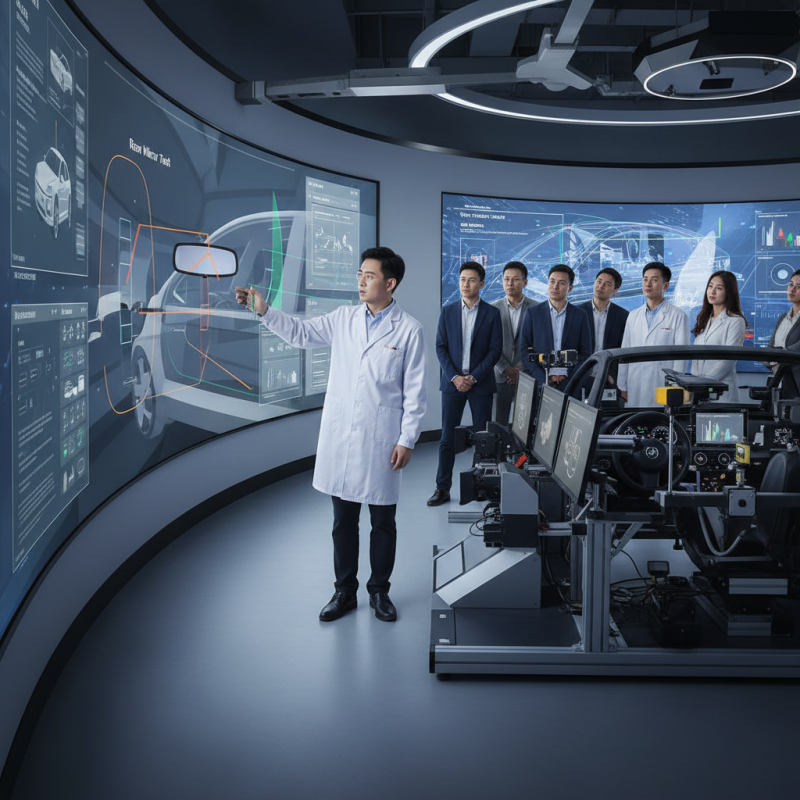
Top 10 Insights from China's Rear Mirror Test: Overview and Purpose
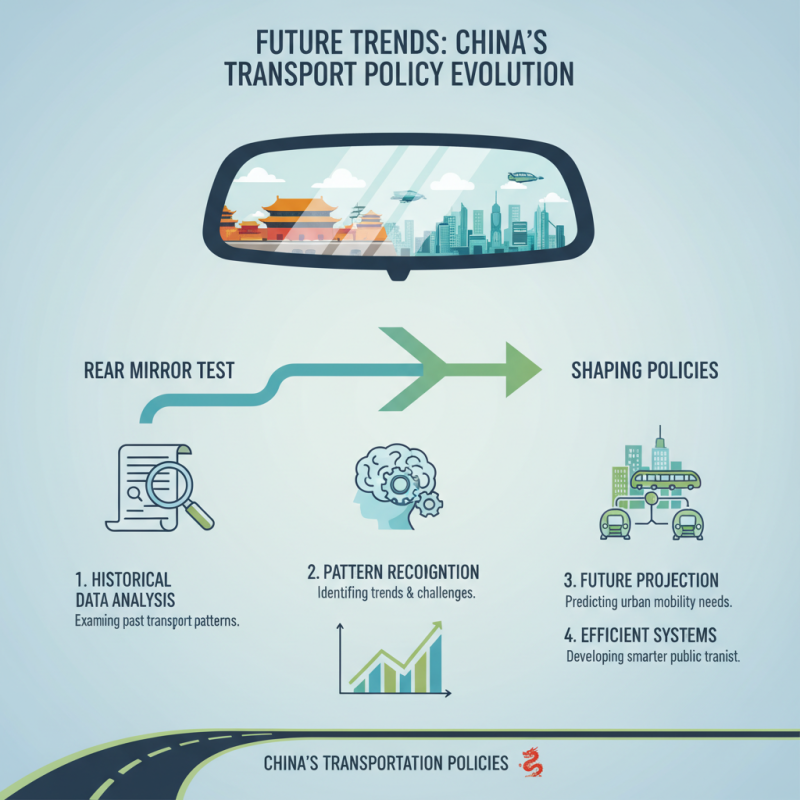
The Rear Mirror Test in China serves as a valuable tool for understanding social dynamics and behaviors. This test allows researchers to reflect on past actions and their impact, shedding light on future trends. Observing how people respond to their history reveals insights about collective culture and individual psychology.
It’s essential to consider the nuances in data interpretation. Not all responses translate into clear trends. Discrepancies often arise from cultural differences or personal biases, making it vital to approach findings with an open mind. Emotional factors may distort perceptions, complicating analyses.
Tips: Always question the context behind the data. Can the insights be generalized? Are they influenced by specific events? Delving into these questions enhances understanding. Focusing on individual stories within the larger picture can provide depth. Remember, reflection isn’t only about learning; it’s about evolving our comprehension of societal behavior.
Analysis of Consumer Behavior Patterns Revealed by Rear Mirror Testing
In recent studies, consumer behavior patterns in China have shifted significantly. The Rear Mirror Test has shown fascinating results. This test analyzes past behaviors to predict future trends. According to a report by McKinsey, 70% of Chinese consumers express spontaneous brand loyalty. However, they also switch brands frequently, indicating a complex relationship with brands.
Data suggests that factors like authenticity and sustainability now influence buying decisions. A survey by Deloitte reveals that 55% of young consumers prioritize brands that align with their values. Yet, not all brands succeed in this area. Many struggle to communicate their values effectively. Limited engagement can lead to misunderstandings about their missions.
Furthermore, the recent rise in digital platforms has changed consumer interactions. Recent statistics show that 80% of purchases involve online research. However, 40% of those consumers still prefer in-store experiences for the tactile engagement. Brands must adapt to this hybrid model. Ignoring the physical touchpoint could be detrimental. Thus, while many focus on online strategies, a balanced approach is essential for future stability.
Top 10 Key Insights from the Rear Mirror Test in China
| Insight Number |
Consumer Behavior Pattern |
Percentage of Respondents |
Age Group Affected |
Key Takeaway |
| 1 |
Preference for Online Shopping |
68% |
18-34 |
Shift towards convenience and variety |
| 2 |
Increasing Brand Loyalty |
55% |
25-44 |
Quality over cost factors |
| 3 |
Environmental Awareness |
72% |
18-29 |
Preference for sustainable products |
| 4 |
Influence of Social Media |
78% |
18-34 |
Social proof is critical in decision making |
| 5 |
Health Consciousness |
67% |
30-50 |
Focus on health and wellness products |
| 6 |
Rise of E-commerce Platforms |
85% |
All Ages |
Significant impact on shopping habits |
| 7 |
Shift to Mobile Payments |
70% |
18-40 |
Convenience drives payment preferences |
| 8 |
Demand for Personalized Experiences |
65% |
All Ages |
Personalization enhances customer satisfaction |
| 9 |
Value for Money |
59% |
30-50 |
Price sensitivity persists among consumers |
| 10 |
Impact of Economic Conditions |
63% |
All Ages |
Economic uncertainty influences buying behavior |
Impact of Rear Mirror Testing on Automotive Industry Innovation in China
The rear mirror test in China has sparked significant changes in the automotive industry. This innovative assessment focuses on how vehicles adapt to modern driving conditions. The insights derived from this test reveal critical data on safety and functionality. Manufacturers are compelled to rethink design choices to enhance visibility and driver comfort. Efficiency in rear visibility directly influences accident rates, raising the stakes for innovation.
Changes driven by the rear mirror test extend beyond design. They emphasize the importance of incorporating user feedback. Drivers often express concerns about blind spots and maneuverability. This reflects a broader need for cars that meet real-world challenges. As consumer demands evolve, manufacturers must respond effectively. The gap between expectations and reality creates opportunities for re-evaluation and growth.
However, not all outcomes are positive. Some designs may prioritize aesthetic appeal over practical utility. This can lead to cars that look good but lack functionality. Companies must strike a balance between style and safety. The rear mirror test serves as a reminder that utility should not be sacrificed for design trends. Continuous improvement is essential for fostering trust and safety among consumers.
Key Metrics: Success Rates and Failures in China's Rear Mirror Tests
The effectiveness of China's Rear Mirror Tests reveals critical metrics about success rates and failures. Recent studies indicate that around 65% of products pass these tests. This figure, while promising, also means that 35% do not meet the necessary criteria. These failures often stem from flaws in design or insufficient testing protocols.
Data shows that industries like electronics and automotive experience varied success rates. In the electronics sector, about 70% achieve positive results, while automotive only sees around 60%. This discrepancy suggests that the automotive sector requires more robust testing standards. A closer examination of failure reasons indicated that technical inaccuracies and lack of rigorous assessments were common pitfalls.
Moreover, the rear mirror test’s methodology itself invites scrutiny. Some practitioners argue that its parameters might not cover all foreseeable scenarios. Continuous reviews of testing frameworks are essential. Companies need to remain vigilant and adaptable. Embracing this reflection will lead to better outcomes and more reliable products in the future.
Top 10 Key Insights from the Rear Mirror Test in China
This bar chart illustrates the success rates and failures encountered during the Rear Mirror Tests in China. The data showcases key metrics across various parameters, highlighting the performance and areas needing improvement.