2026 How to Effectively Move Your Motor Vehicle with Ease?
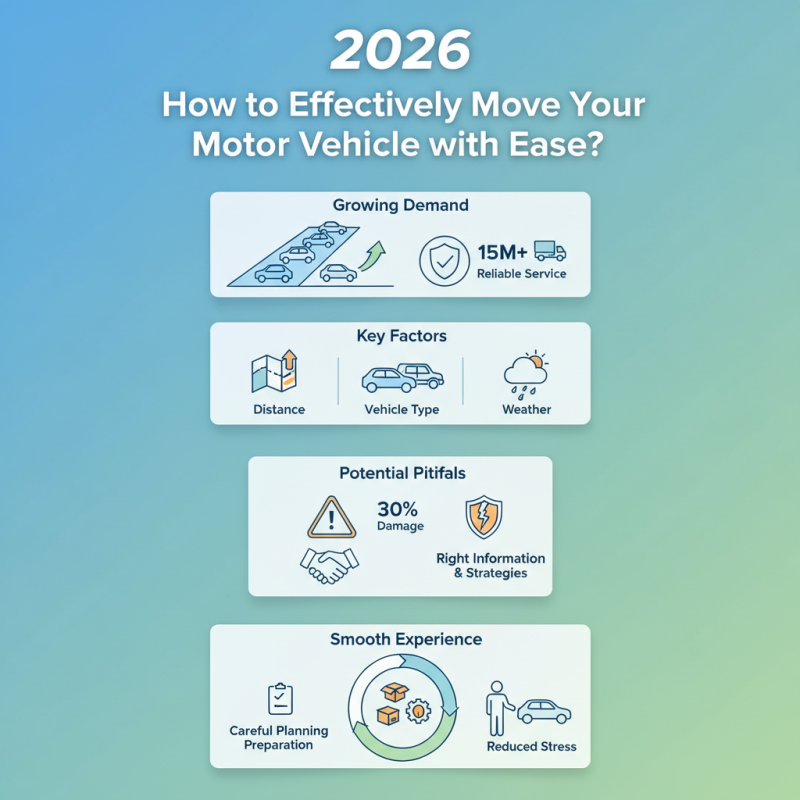
In today's fast-paced world, "Motor Moving" offers a crucial service for many. The American Moving and Storage Association (AMSA) reported that over 15 million vehicles are relocated annually. This highlights the growing demand for effective and reliable motor vehicle transportation. However, moving a vehicle involves more than just logistics; it requires understanding multiple factors.
Effective motor moving needs careful planning. Factors like distance, vehicle type, and weather can greatly affect the process. For example, a study by the U.S. Department of Transportation indicates that nearly 30% of vehicle damage occurs in transit. This statistic emphasizes the necessity of choosing a reputable service provider.
Despite the potential pitfalls, overcoming challenges is possible. With the right information and strategies, motor moving can be a smooth experience. Proper preparation makes a significant difference. Whether for a long-distance move or a local transfer, knowing the right steps helps reduce stress.
Understanding the Importance of Preparing for Vehicle Move
Preparing for a vehicle move is crucial for a smooth transition. Many people overlook this step, thinking it's simple. Yet, a lack of preparation can lead to damage or delays. It’s essential to gather your documents, including registration and insurance details, before you move. Create a checklist to keep track of everything you need.
Additionally, understanding your vehicle’s condition is vital. Consider a maintenance check to identify potential issues. Small problems may turn into big headaches during transportation. Take photos of your vehicle to document its condition. This precaution can bring peace of mind and help resolve disputes later.
Lastly, consider the logistics of the move. Timing matters. Weather can affect your plans. A rainy day can make moving more challenging. Stay flexible. You might need to adjust your schedule. Reflecting on past experiences can help you avoid mistakes. Prepare and plan thoughtfully for a successful vehicle relocation.
Choosing the Right Method for Vehicle Transportation
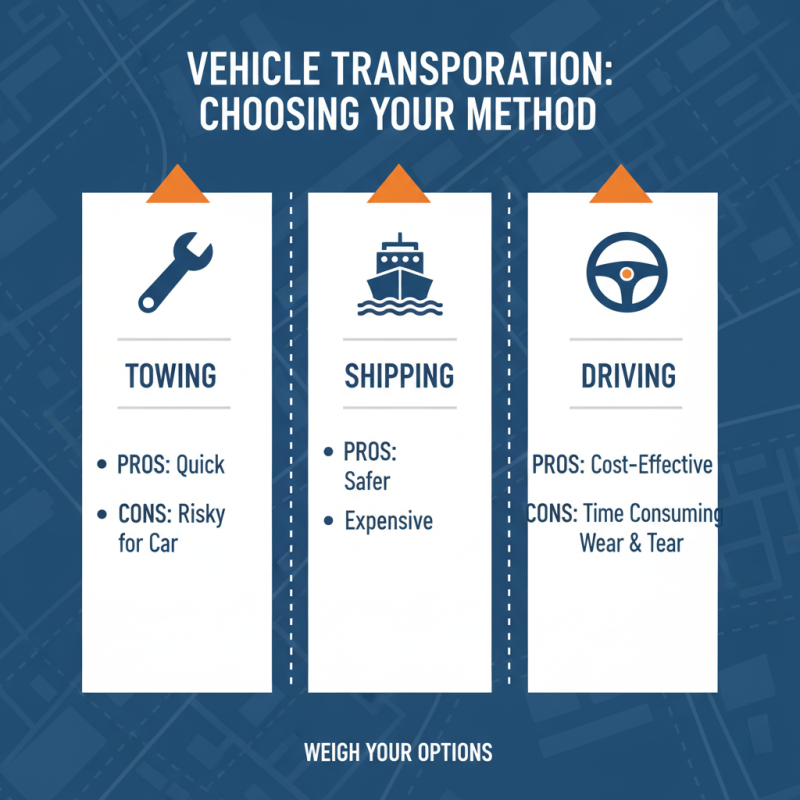
When it comes to moving your motor vehicle, choosing the right method is crucial. Various options are available, such as towing, shipping, or driving. Each method has its pros and cons. For instance, towing is quick but can be risky for the car's condition. Conversely, shipping is safer but tends to be more expensive. You must weigh these factors based on your circumstances.
It's also important to reflect on your vehicle's value. If it's an older model, perhaps driving would be less stressful. On the other hand, a newer or more expensive vehicle might benefit from the safety of enclosed transportation. Additionally, assess the distance you need to cover. Long distances may justify the cost of professional services, while short moves could be more efficiently handled yourself.
While researching methods, consider reliability and experience. Reading reviews can help you find trustworthy services. Observe that not every option suits every situation. There may be hidden costs or unexpected delays. Always plan ahead. This can save you from last-minute stress and ensure a smoother transition for your motor vehicle.
Gathering Essential Documents for Vehicle Movement
When moving your motor vehicle, gathering essential documents is crucial for a smooth process. According to the U.S. Department of Transportation, about 30% of vehicle movement delays are due to missing paperwork. Key documents include your vehicle title, registration, and proof of insurance. Without them, moving can become a daunting task.
Additionally, it’s wise to have a bill of sale and a copy of your photo ID ready. These documents may be required by transport services or during inspections. In some states, vehicle movement regulations can differ. For instance, failing to comply may lead to fines or extra paperwork, which could have been avoided.
Unexpected situations can arise during vehicle relocation. For instance, if your vehicle is financed, coordinating with your lender for a lien release is essential. Moreover, 15% of vehicle owners have reported issues related to incomplete documents, making it vital to double-check your paperwork. Keeping a checklist of required documents can help, but always be prepared for the unexpected.
2026 How to Effectively Move Your Motor Vehicle with Ease? - Gathering Essential Documents for Vehicle Movement
| Document Type |
Description |
Required For |
Notes |
| Vehicle Registration Document |
Proof of ownership and registration. |
Vehicle movement across state lines. |
Must be up-to-date and in the owner’s name. |
| Insurance Policy |
Evidence of current vehicle insurance coverage. |
Mandatory for legal transport. |
Check coverage limits before moving. |
| Identification |
Government-issued ID or driver's license. |
Required for personal identification. |
Ensure it is not expired. |
| Bill of Sale |
Document recording the sale of the vehicle. |
Important for new ownership transfer. |
Should include the sale date and price. |
| Title Transfer Form |
Form for transferring vehicle ownership. |
Essential for new owner. |
Fill out completely and accurately. |
Tips for a Smooth Loading and Unloading Process
When moving your vehicle, the loading and unloading process can be daunting. You want it to be smooth and efficient. Preparation is key. Gather all necessary equipment ahead of time. Straps, ramps, and protective covers should be readily available.
Here are a few tips for a seamless experience: Make sure the path is clear of obstacles to prevent accidents. Use proper equipment like ramps to avoid damage. A helper can be invaluable. Communication is essential; coordinate movements to ensure safety. Check the weather; rainy days can complicate loading.
An important point to consider is securing your vehicle. Use durable straps to prevent shifting during transit. Inspect them before each use. After unloading, take a moment to assess any potential damages. This can help avoid future issues. Reflecting on previous moves can provide insights. What worked? What didn't? Learn and adapt for next time.
Post-Move Checklist and Vehicle Setup
When relocating a motor vehicle, careful planning is essential. A well-structured post-move checklist can greatly enhance the setup process. According to the American Automobile Association (AAA), over 40% of vehicle owners experience issues during relocation. This can include logistical challenges or damage sustained during transport. Adhering to a detailed checklist can mitigate these risks.
Ensuring the vehicle is road-ready after moving is crucial. Inspecting the tires, fluid levels, and battery condition should be prioritized. The U.S. Department of Transportation indicates that 12% of roadside breakdowns result from inadequate vehicle maintenance. Simple checks like ensuring the car is properly aligned or that brake systems function correctly can prevent future problems.
Moreover, setting up your vehicle with ease requires organization. Allocate time for adjusting mirrors, seats, and infotainment systems to match your preferences. Many people underestimate the importance of familiarization with vehicle features post-move. Quick tutorials on essential functions may be necessary to fully utilize your vehicle. Remember, the setup process should not be rushed, as it plays a vital role in your overall driving safety and comfort.
Vehicle Transportation Efficiency Analysis (2026)