2026 Top Types of Stepper Motor Rotor for Enhanced Performance and Efficiency?
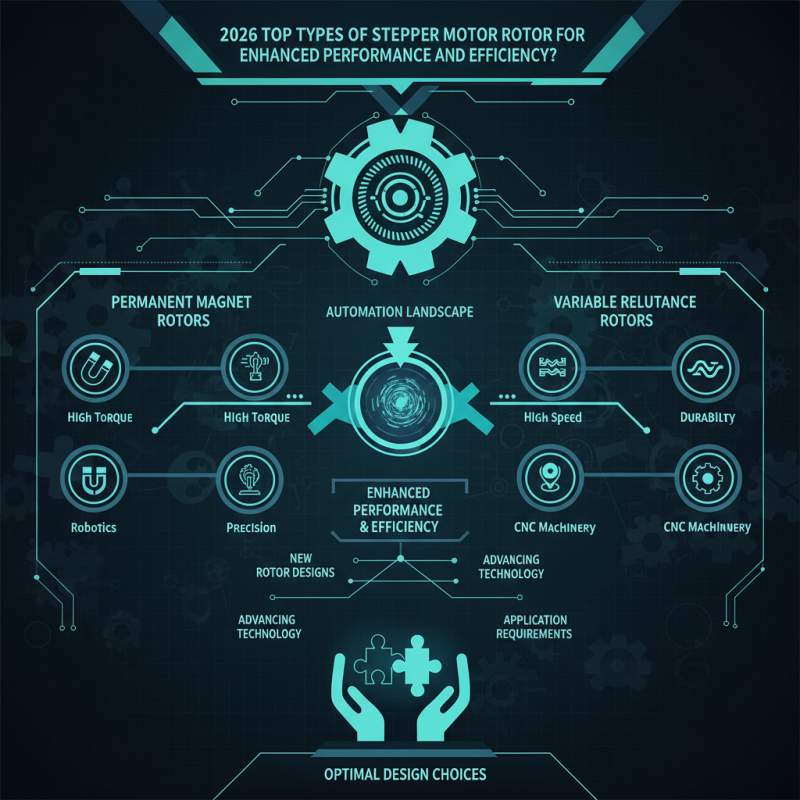
In the rapidly evolving landscape of automation, stepper motor performance plays a critical role. The stepper motor rotor is a key component that directly influences efficiency and operational precision. Understanding the various types of rotors available can lead to better design choices and enhanced functionality in applications ranging from robotics to CNC machinery.
Different rotor designs, such as permanent magnet and variable reluctance types, offer distinct advantages. These variations can affect torque, speed, and accuracy, impacting overall system performance. Engineers must evaluate each rotor's characteristics to match specific application requirements. This decision can be challenging, as the most efficient rotor may not always be the most obvious choice.
With advancing technology, new rotor designs continue to emerge. While these developments promise improved performance, it’s essential to acknowledge potential trade-offs. As we navigate these innovations, recognizing the specific needs of a project can provide clarity. Embracing this complexity will help ensure the best outcomes in utilizing stepper motor rotors for enhanced performance and efficiency.
Overview of Stepper Motor Rotors and Their Roles in Performance
Stepper motors have become essential in various applications, from robotics to 3D printing. The performance of these motors heavily relies on their rotor design. The rotor plays a crucial role in locking the stepper motor into precise positions. Different rotor types can significantly impact torque and position accuracy.
One prevalent rotor design is the permanent magnet rotor. This type enhances the motor's efficiency by providing strong magnetic fields. However, it can exhibit cogging effects, which may lead to slight inaccuracies in positioning. Another design is the hybrid rotor, which combines features of different rotor types, balancing stability and responsiveness. While hybrid rotors improve performance, they may also introduce complexities in manufacturing and controlling.
The choice of rotor affects heat dissipation as well. Some designs can lead to overheating, which reduces efficiency. Furthermore, environmental factors like dust and humidity can impact rotor performance. These factors require careful consideration during both design and application. Ultimately, understanding the diverse rotor types and their implications will foster improvements in stepper motor technology.
Types of Stepper Motor Rotors: Identification and Features
Stepper motors are widely used in various applications. Their performance depends heavily on rotor design. Understanding different types of stepper motor rotors is crucial for achieving optimal efficiency and performance.
There are several rotor types. The most common include permanent magnet and variable reluctance rotors. Permanent magnet rotors provide high torque and are more efficient at low speeds. They tend to be favored in applications where precise control is needed. Variable reluctance rotors, on the other hand, are simpler in construction. They are commonly used in specific industrial applications.
Tips: When selecting a rotor, consider your application needs. Efficiency can vary significantly between designs. Evaluate torque requirements and speed ranges. Remember, not all motors suit every situation.
Another rotor type gaining popularity is hybrid. These combine features from both permanent magnet and variable reluctance types. They offer advantages in torque and precision. However, they can be more complex and costly. Weighing these factors is essential before making a choice.
Tips: Always review the specifications. Analyze the rotor's characteristics against your project requirements. Testing different types can reveal unexpected insights. Each rotor design offers unique advantages and disadvantages.
2026 Top Types of Stepper Motor Rotor for Enhanced Performance and Efficiency
| Rotor Type |
Identification Features |
Advantages |
Typical Applications |
| Permanent Magnet Stepper |
Contains permanent magnets in the rotor |
High torque at low speeds, simple control |
3D printers, CNC machines |
| Variable Reluctance Stepper |
No permanent magnets, relies on magnetic reluctance |
Lower cost, higher step resolution |
Robotics, textile machines |
| Hybrid Stepper |
Combination of permanent magnets and reluctance |
High torque and precision, versatile |
Medical devices, automation systems |
| Closed Loop Stepper |
Uses feedback control to optimize performance |
Improved efficiency, reduces noise |
Industrial machinery, packaging equipment |
| Stacked Rotor Stepper |
Stacked rotor design increases torque |
High torque density, compact design |
Aerospace applications, high-performance robotics |
Material Composition: Impact on Efficiency and Durability
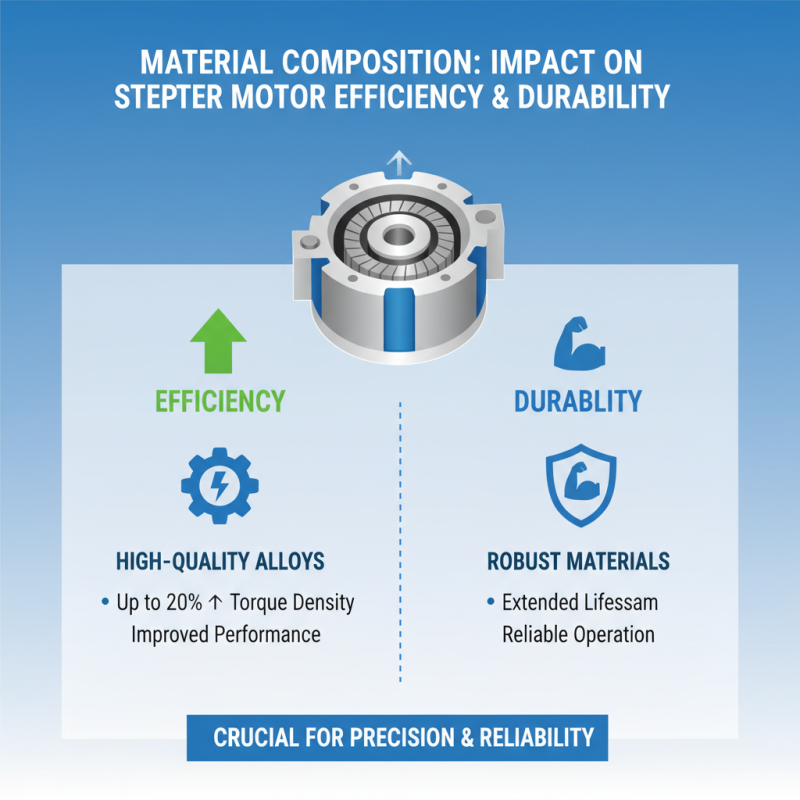
Material composition plays a crucial role in the performance and durability of stepper motor rotors. Various materials can significantly impact the efficiency of these motors. For instance, a recent industry report indicated that using high-quality alloys can improve torque density by up to 20%. This enhancement is vital for applications requiring precise control and reliability.
However, not all materials offer the same benefits. Ferromagnetic materials, commonly used, may suffer from thermal degradation over time. Reports suggest that composite materials can provide better temperature resistance and longer lifespans for rotors. The choice between materials should consider not only performance but also operational environments.
Tips: Choose materials based on specific applications. Evaluate thermal and mechanical properties carefully. Conduct tests to verify claims. These steps can mitigate risks linked to material failure and enhance overall motor reliability. Utilizing advanced simulation tools can also predict performance under diverse conditions, helping in material selection. Each rotor design should reflect these nuances for optimal results.
Latest Innovations in Stepper Motor Rotor Design for 2026
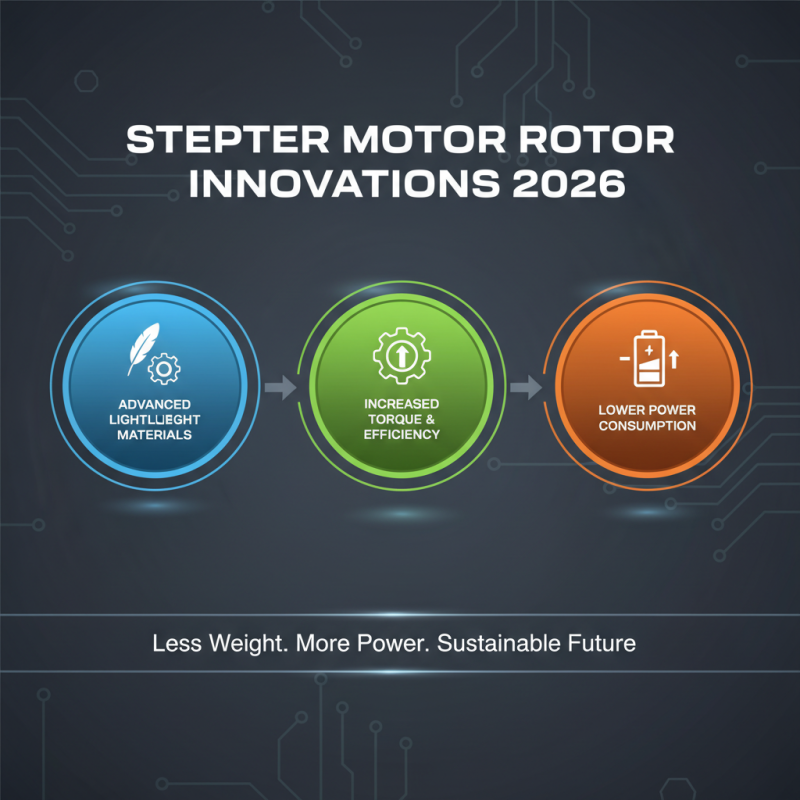
As we approach 2026, innovations in stepper motor rotor design are set to redefine performance and efficiency. Engineers and designers are actively exploring advanced materials to reduce weight without sacrificing strength. This shift could lead to motors that utilize less energy, generating higher torque with lower current consumption.
New configurations are being developed to enhance magnetic flux. These designs aim for improved responsiveness and precision. One notable trend is the integration of hybrid rotors. They combine different materials, optimizing both thermal stability and magnetic properties. This can significantly impact efficiency in demanding applications.
However, challenges remain. Achieving optimal performance while keeping costs in check is complex. Additionally, the durability of new materials under varying environmental conditions needs thorough examination. Each innovation must be tested rigorously. As the industry evolves, these reflections are crucial for developing reliable solutions for the future.
Best Practices for Choosing the Right Rotor for Your Applications
Choosing the right rotor for stepper motors is crucial for maximizing performance. The rotor type significantly impacts torque, speed, and efficiency. According to a report by the International Electromechanical Society, selecting an optimal rotor design can improve efficiency by as much as 25%. This is vital for applications requiring precision and reliability.
When selecting a rotor, consider operation conditions. For instance, a permanent magnet rotor might excel in low-speed applications, while a variable reluctance rotor could be better for high-speed needs. Factors such as size, weight, and material also affect overall performance. It's essential to test various configurations and refine choices based on specific application needs.
Reviewing industry data highlights the importance of rotor customization. Many applications face trade-offs. A lightweight rotor may enhance speed but compromise torque. This uncertainty requires thorough testing and evaluation. Use simulations whenever possible to visualize performance before committing to a design, as each application presents unique challenges.